
4n6ir.com
Protect API Gateway with Cognito for Dynamic Content
by John Lukach
I am a big fan of running static site generators for my web content to reduce risk.
On July 10, 2014, Amazon released Cognito as a user identity and data synchronization service. With all the content generated over the years, I still found a few items that would benefit from more documentation and a working proof of concept.
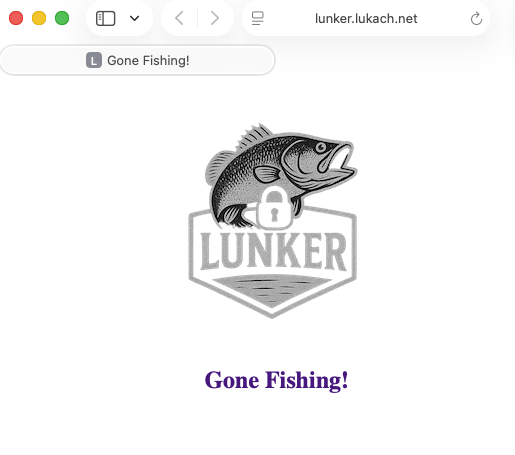
First, I hit the landing page with a link that includes the Client ID to the Managed Login provided by Cognito.
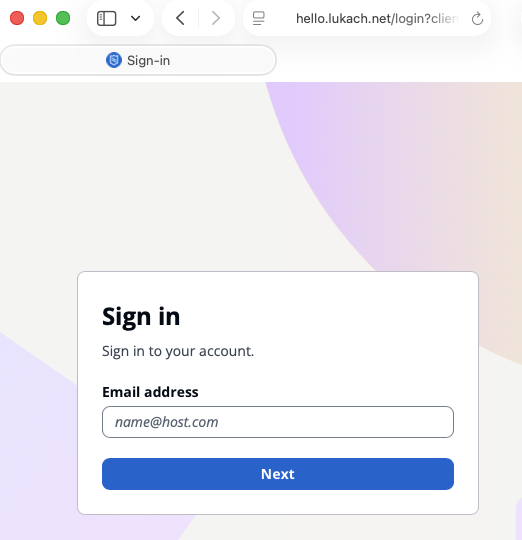
Second, I enter the previously created email address because self-registration is not allowed in the User Pool configuration.
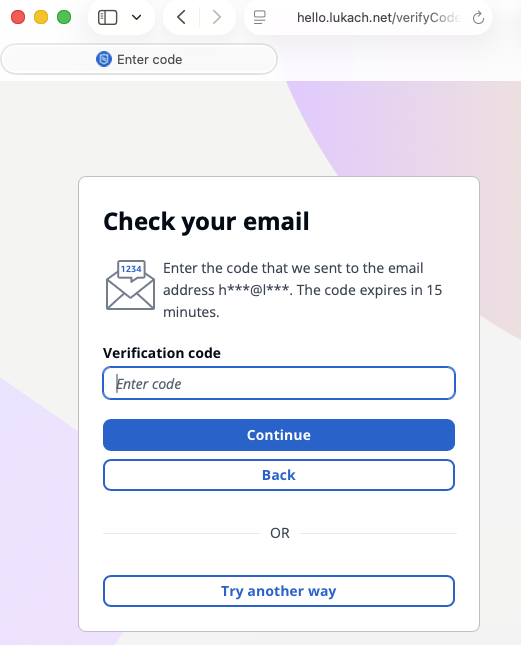
Third, I enter the verification code from the email used for passwordless authentication, sent by Amazon SES.
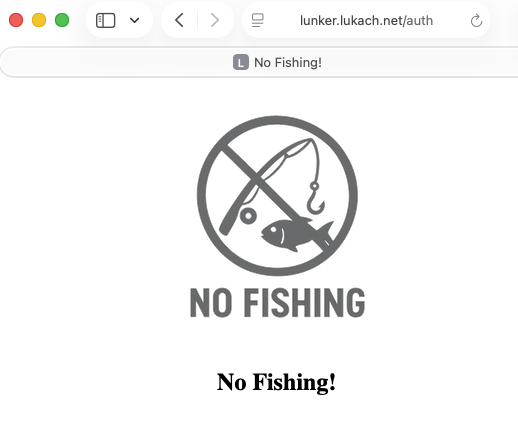
Fourth, the Managed Login redirects to the auth endpoint with a short-lived authorization code, used to retrieve the OAuth token. JavaScript is used to redirect the site on the client side using an HTTP Authorization Header.
https://github.com/jblukach/lunker/blob/main/auth/auth.py
Authentication Failure
Authentication Success
Fifth, the Lambda Authorizer validates the Bearer token to determine whether the home page is authorized to be displayed.
https://github.com/jblukach/lunker/blob/main/authorizer/authorizer.py
Verification Failure
{"message":"Unauthorized"}
Verification Success
I found a few bugs in the Cloud Deployment Kit (CDK) regarding logging for API Gateway and Cognito in the Python Infrastructure as Code (IaC).
Since this is just an example, I did not set up Secret Manager for the App Client Secret, as using the Lambda environment variable is not recommended.
tags: aws - api - gateway - cognito - lambda